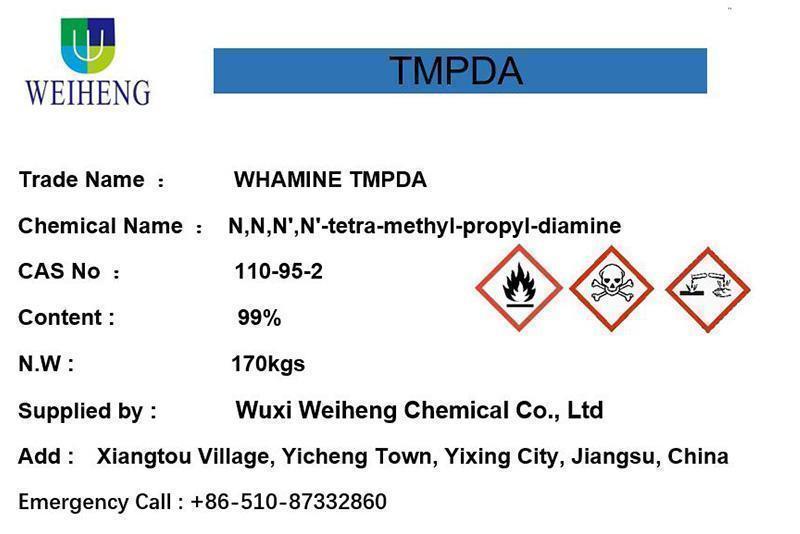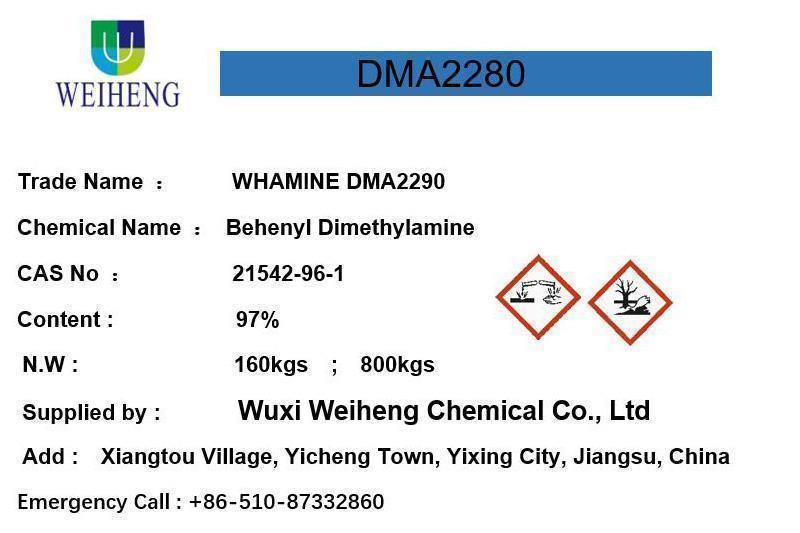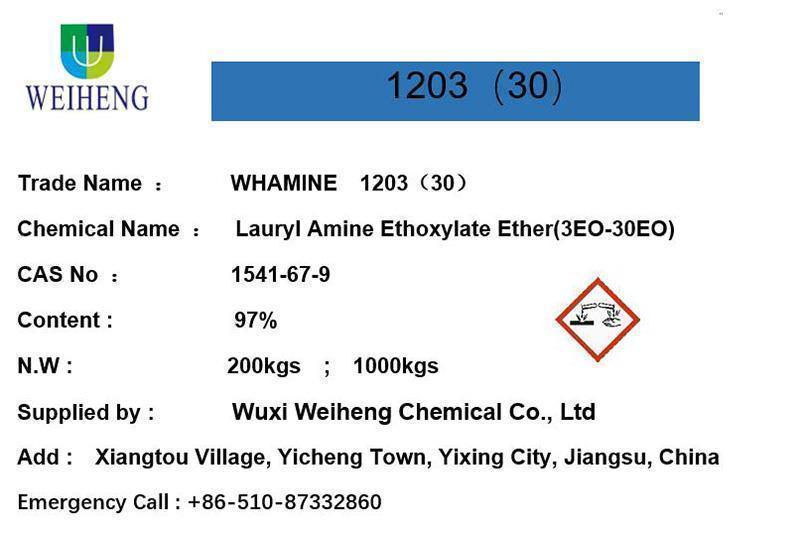
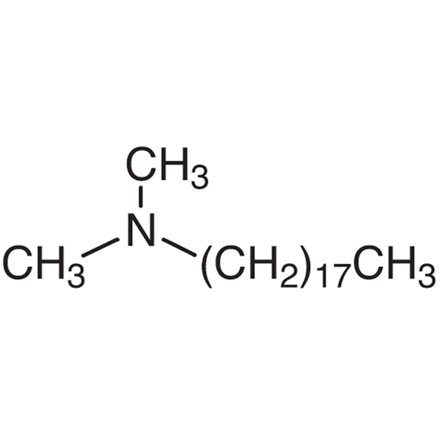
Octadecyl dimethylamine (ODMA, CAS 124-28-7, also known as stearyl dimethylamine or dimethyl octadecylamine) is a tertiary fatty amine with a C18 straight-chain alkyl group. According to standard safety data and Whamine's product specifications, ODMA is classified as combustible but not highly flammable under normal storage and handling conditions. Its flash point typically exceeds 110°C, placing it outside the "flammable liquid" category (flash point < 60°C) per GHS and OSHA criteria. However, like all organic amines, it can ignite when exposed to open flames, sparks, or high heat sources.
Property | Value | Safety Implication |
Flash point | >110°C | Not a flammable liquid per GHS |
Autoignition temperature | ~250°C | Requires significant heat to ignite |
Boiling point | 347°C | Low vapor pressure at room temperature |
Melting point | 23°C | Solidifies below room temperature; may require gentle heating |
Appearance | Clear to slight hazy liquid | Visual inspection for contamination |
Because ODMA has low vapor pressure at ambient temperatures, the risk of vapor accumulation and ignition is minimal under standard warehouse conditions. The primary fire hazard arises from the combustible liquid itself rather than its vapors.
l Use dry chemical, foam, or CO₂ extinguishers—never direct water jets, as they may spread the burning liquid
l Cool surrounding containers with water spray to prevent thermal runaway
l Wear self-contained breathing apparatus (SCBA) and full protective gear
l Contain runoff to prevent environmental contamination
l Avoid contact with strong oxidizers (peroxides, halogens, nitric acid), which can cause exothermic reactions
l Use grounded equipment during transfer to prevent static discharge
l Maintain adequate ventilation; though vapor pressure is low, amine vapors can irritate respiratory tracts
l Wear chemical-resistant gloves (nitrile or neoprene) and safety goggles
As a leading fatty amines manufacturer, Whamine recommends the following storage protocol for octadecyl dimethylamine:
l Temperature: Store in a cool, dry, well-ventilated area away from direct sunlight. Ideal range: 15–30°C. Below 23°C, the product solidifies but remains stable—gentle warming to 25–30°C restores fluidity without degradation.
l Containers: Use original 200L plastic drums or IBC totes (1000L). Ensure drums are tightly sealed to prevent moisture ingress and oxidation.
l Segregation: Keep away from oxidizing agents, acids, and ignition sources. Maintain minimum 5-meter separation from incompatible chemicals.
l Shelf life: Properly stored, ODMA remains stable for one year from the date of manufacture.
Scenario | Immediate Action |
Skin contact | Wash with soap and water for 15 minutes; remove contaminated clothing |
Eye contact | Rinse cautiously with water for 15 minutes; seek medical attention |
Inhalation | Move to fresh air; if breathing difficulties persist, seek medical help |
Ingestion | Do not induce vomiting; rinse mouth and seek medical attention |
Spill | Absorb with inert material (sand, vermiculite); collect in sealed containers |
ODMA is biodegradable under aerobic conditions but can be toxic to aquatic life. Avoid release into waterways. Contaminated absorbents should be disposed of as hazardous waste per local regulations. As a professional amine derivatives supplier, Whamine provides comprehensive SDS documentation and regulatory compliance support for all shipments.
While octadecyl dimethylamine is not classified as a flammable liquid, its combustible nature demands disciplined storage and handling. By maintaining appropriate temperature controls, using proper containment, and following Whamine's safety guidelines, formulators can safely leverage this versatile C18 tertiary amine intermediate for quaternary ammonium salt synthesis, fabric softeners, and antistatic applications. Contact our technical team for a complete SDS or to discuss custom packaging solutions tailored to your facility's safety requirements.
 English
 日本語
日本語 한국어
한국어 français
 Deutsch
 русский
 tiếng việt
 Türkçe
 ไทย
ไทย اردو
اردو CN
CN